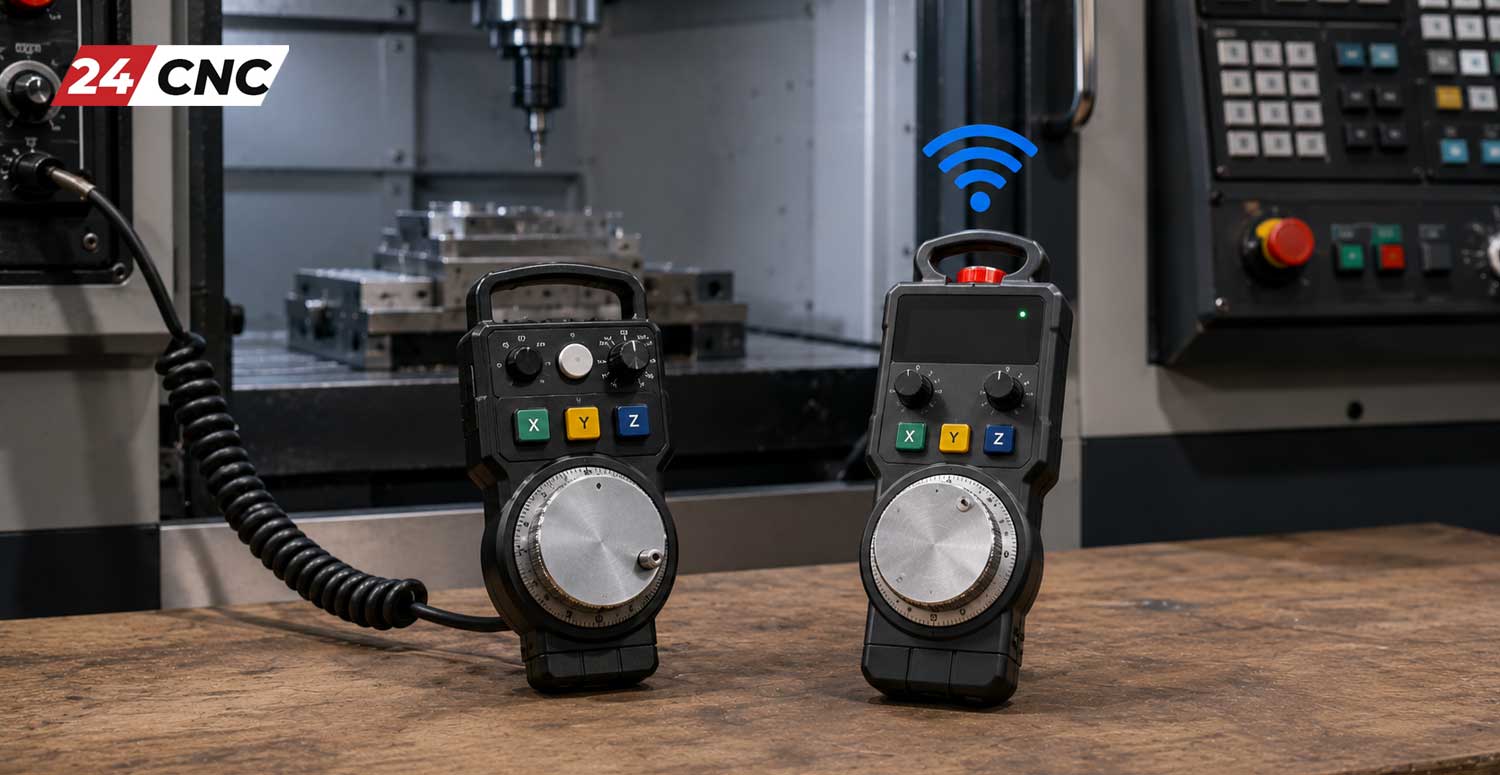
Wireless vs. Wired MPG Handwheels: An Operator’s Guide to Choosing
In the highly demanding and fast-paced world of industrial machining, precision, operator safety, and workflow efficiency are absolutely paramount. At the heart of the human-machine interface lies a critical component: the Manual Pulse Generator (MPG). Whether you are meticulously setting tool offsets, tramming a vise, finding machine zero, or carefully jogging a multi-axis gantry mill during a complex setup, the MPG is essentially your steering wheel. As automation and machine tool technology evolve, operators and workshop managers face a crucial decision when upgrading or outfitting their essential CNC machine components: should you rely on the proven, traditional reliability of wired handwheels, or is it time to embrace the modern mobility and ergonomic superiority of wireless models?
This comprehensive, highly detailed guide dives deep into the “Wireless vs. Wired MPG Handwheels” debate. We will explore the underlying technology, integration protocols, industrial safety implications, and maintenance requirements, helping CNC operators, mechanical engineers, workshop owners, and procurement managers make the most informed, data-driven choice for their specific industrial manufacturing environments.
The Anatomy and Technology of Manual Pulse Generators (MPGs)
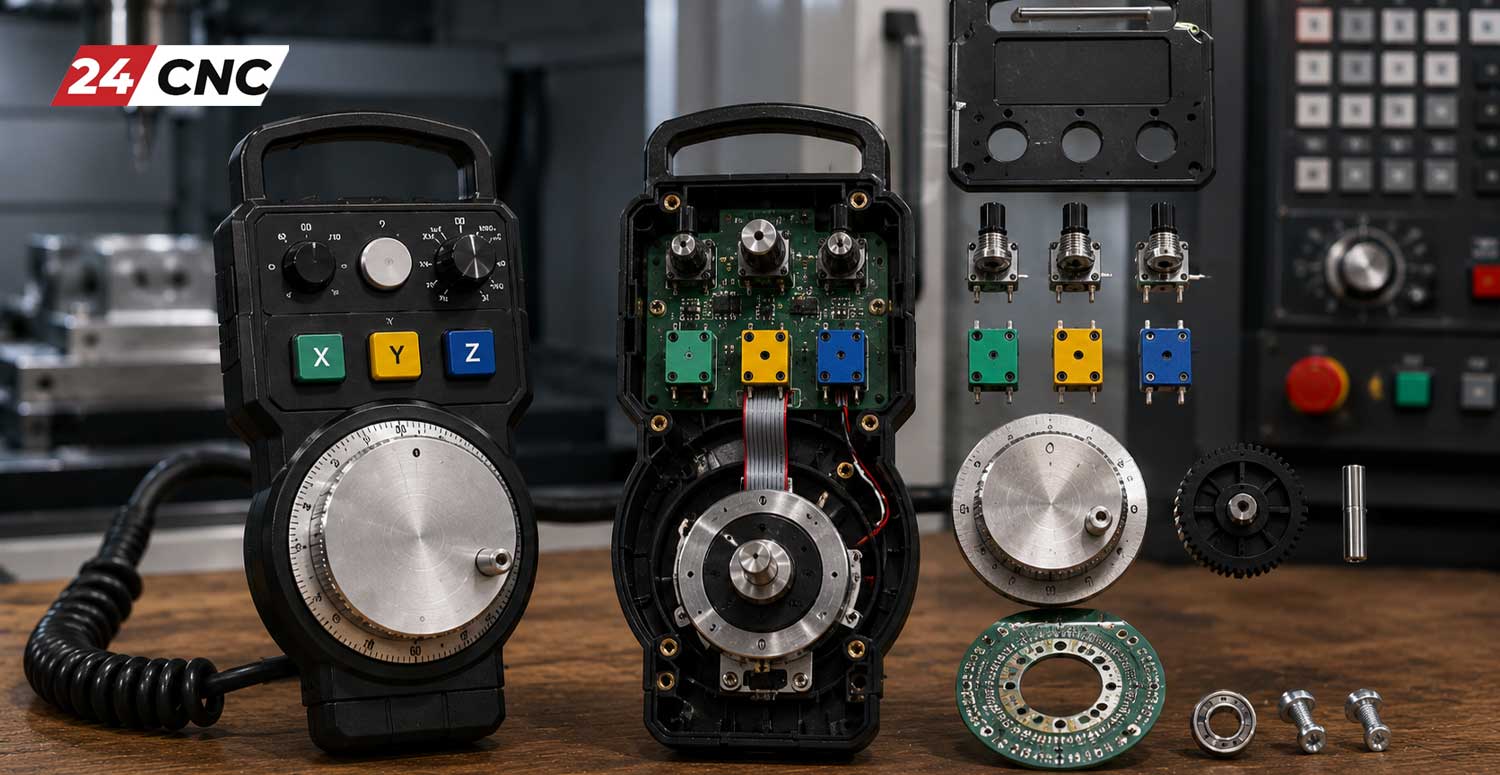
A Manual Pulse Generator (MPG), commonly referred to in the trade as a jog wheel, pendant, or electronic handwheel, is a sophisticated rotary encoder device. Its primary function is to generate highly precise electrical pulses when its outer dial is manually rotated by the operator. These digital pulses are then transmitted to the machine’s primary logic controller—such as a Fanuc, Siemens SINUMERIK, or Mitsubishi drive—which interprets the signals and commands the servo motors to move the selected axis by an exact, corresponding distance.
How Rotary Encoders Work
Inside the casing of a high-quality MPG handwheel, you will typically find an optical or magnetic rotary encoder. As the dial turns, an internal disc with finely etched slots interrupts a light beam (in optical models) or alters a magnetic field. This generates two distinct square wave signals, typically designated as Channel A and Channel B. Because these two channels are offset by $90^\circ$ (a quadrature signal), the CNC controller can determine not just that movement is occurring, but also the exact direction of the rotation (clockwise or counter-clockwise).
Common resolution specifications for industrial MPGs include $100 \text{ PPR}$ (Pulses Per Revolution) or $25 \text{ PPR}$. Depending on the multiplier selected on the pendant, these pulses translate to physical movements in increments as fine as $0.001 \text{ mm}$, $0.01 \text{ mm}$, and $0.1 \text{ mm}$ per click.
Standard Features Across All MPGs
Regardless of whether the communication method is wired or wireless, industrial-grade MPGs share a standardized set of critical controls:
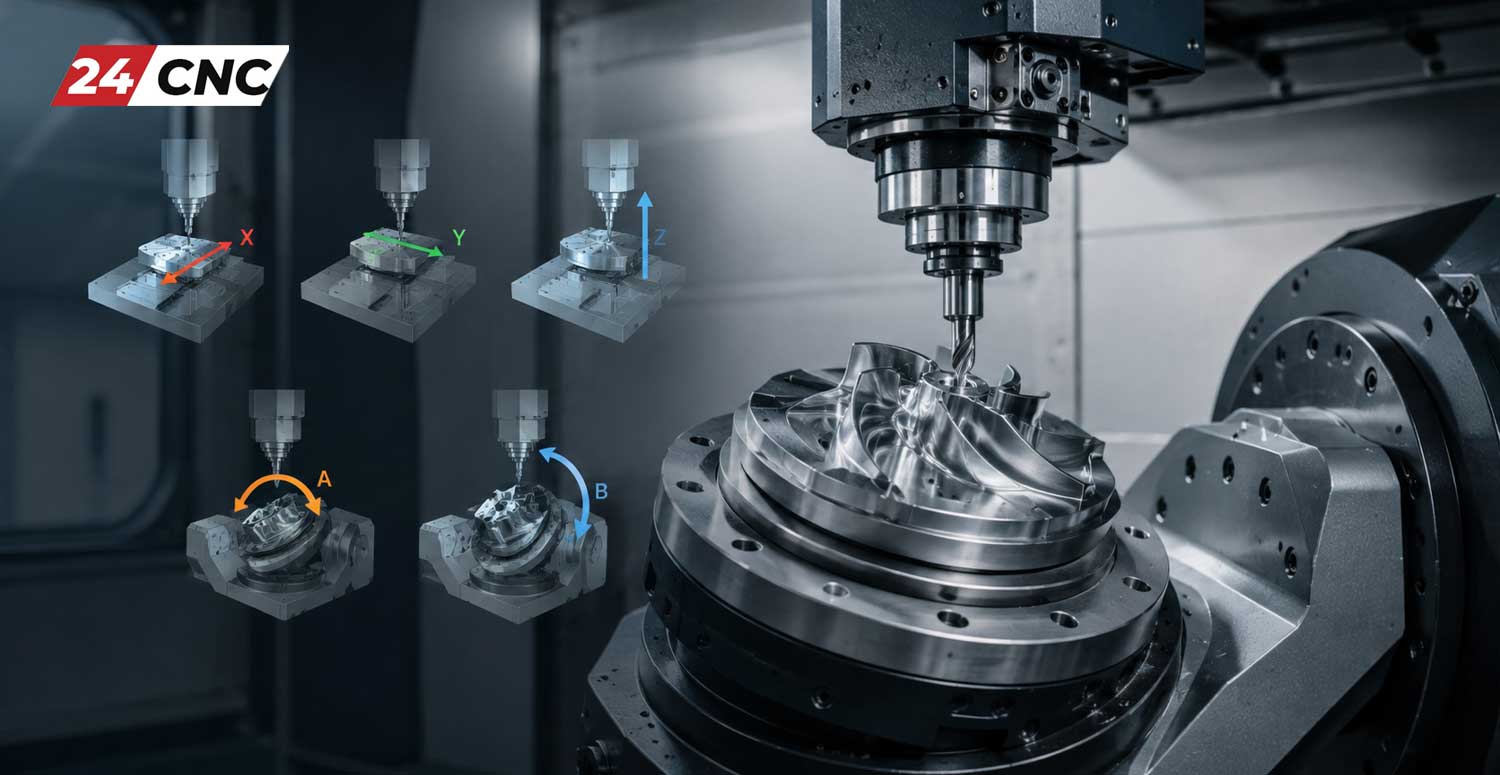
- Axis Selection Switch: A multi-position rotary switch allowing the operator to select the target axis (X, Y, Z, A, B, C, 4th, 5th, etc.).
- Multiplier Switch: A selector (typically x1, x10, x100) that scales the pulse value, allowing for both rapid rough positioning and ultra-fine micron-level adjustments.
- Emergency Stop (E-Stop): A hard-wired, normally-closed mushroom button that immediately halts all machine functions when depressed, compliant with ISO 13850 standards.
- Enable Switch (Dead Man’s Switch): A tactile button located on the side or back of the unit that must be continuously held down for the jog wheel to transmit pulses, preventing accidental axis movement if the dial is brushed against.
Wired MPG Handwheels: The Traditional Industrial Powerhouse
Wired MPGs have served as the undisputed industry standard for decades. They are physically tethered directly to the CNC machine’s primary I/O board or control cabinet via a thick, heavily shielded, multi-core coiled cable. This direct physical connection provides several undeniable, mission-critical advantages, particularly in heavy-duty, high-production industrial settings.
The Advantages of Wired MPGs
Unmatched Signal Reliability and Zero Latency: Because the electrical signal travels directly through copper wire using TTL (Transistor-Transistor Logic) line drivers, there is absolutely zero latency. When the operator turns the dial, the axis moves instantaneously. There is zero risk of signal drops, lag, or packet loss, which is absolutely critical when a machinist is creeping up to a workpiece with tolerances of $\pm 0.002 \text{ mm}$.
Total Immunity to Electromagnetic Interference (EMI): Industrial workshops are incredibly noisy environments electrically. Massive variable frequency drives (VFDs), large-scale AC servo motors, plasma cutters, and TIG welding equipment generate massive amounts of EMI. A high-quality wired connection utilizes braided copper shielding and twisted-pair wiring, effectively grounding out this noise and ensuring the pulse signal remains pure.
No Power Management or Battery Anxiety: A wired MPG draws its required operating voltage (typically $5 \text{ V}$ DC or $12 \text{ V}$ DC) directly from the CNC controller. Operators never have to worry about charging the unit, managing battery degradation, or experiencing a sudden power failure in the middle of a critical, time-sensitive setup operation.
The Disadvantages of Wired MPGs
Cable Management and Physical Tangling: The most significant, everyday drawback of wired systems is the handwheel cable itself. While typically jacketed in durable PUR (Polyurethane) to resist industrial chemicals, coiled cords inevitably get tangled, catch on fixturing or workpieces, and suffer mechanical degradation over time from constant stretching, dragging, and exposure to highly abrasive metallic chips and synthetic coolants.
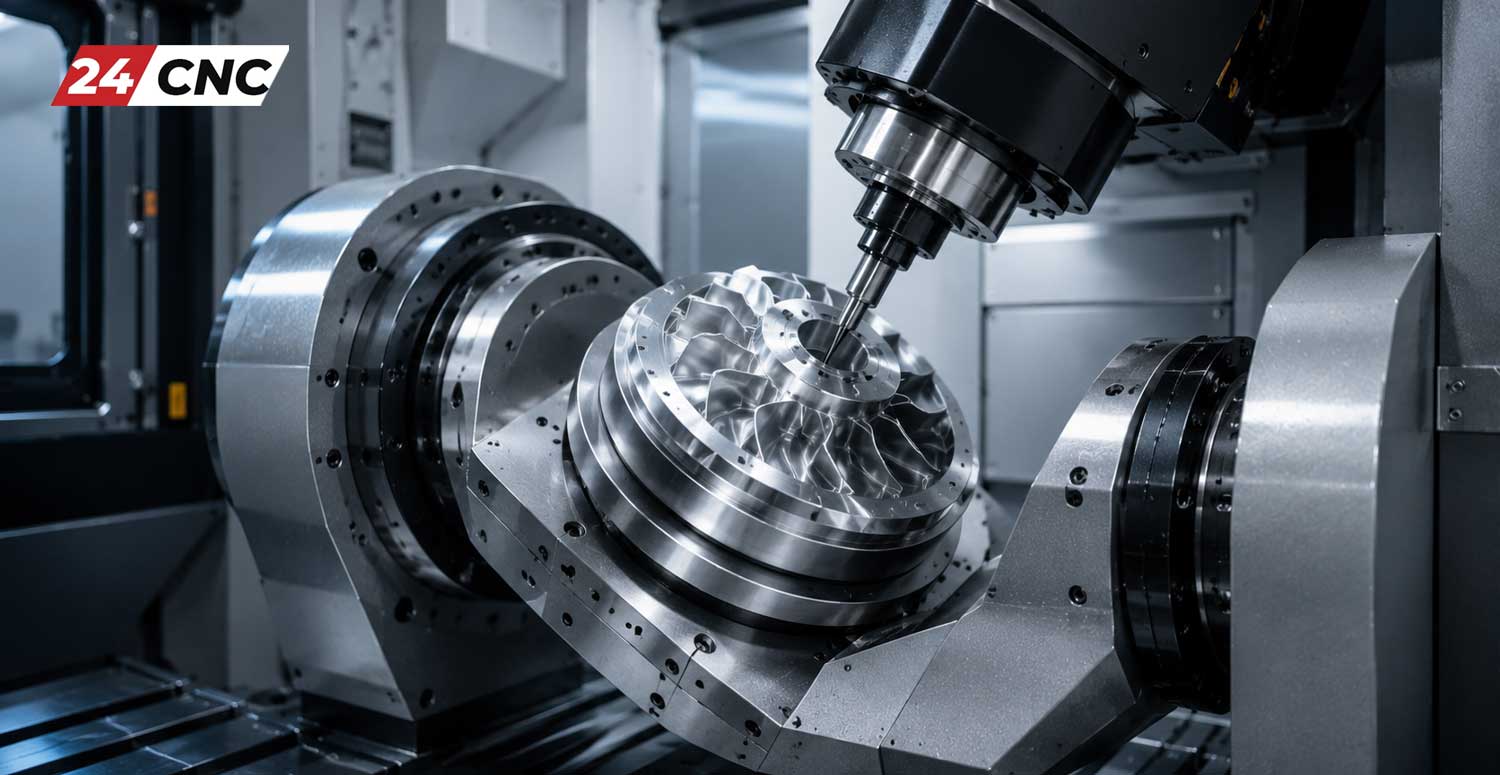
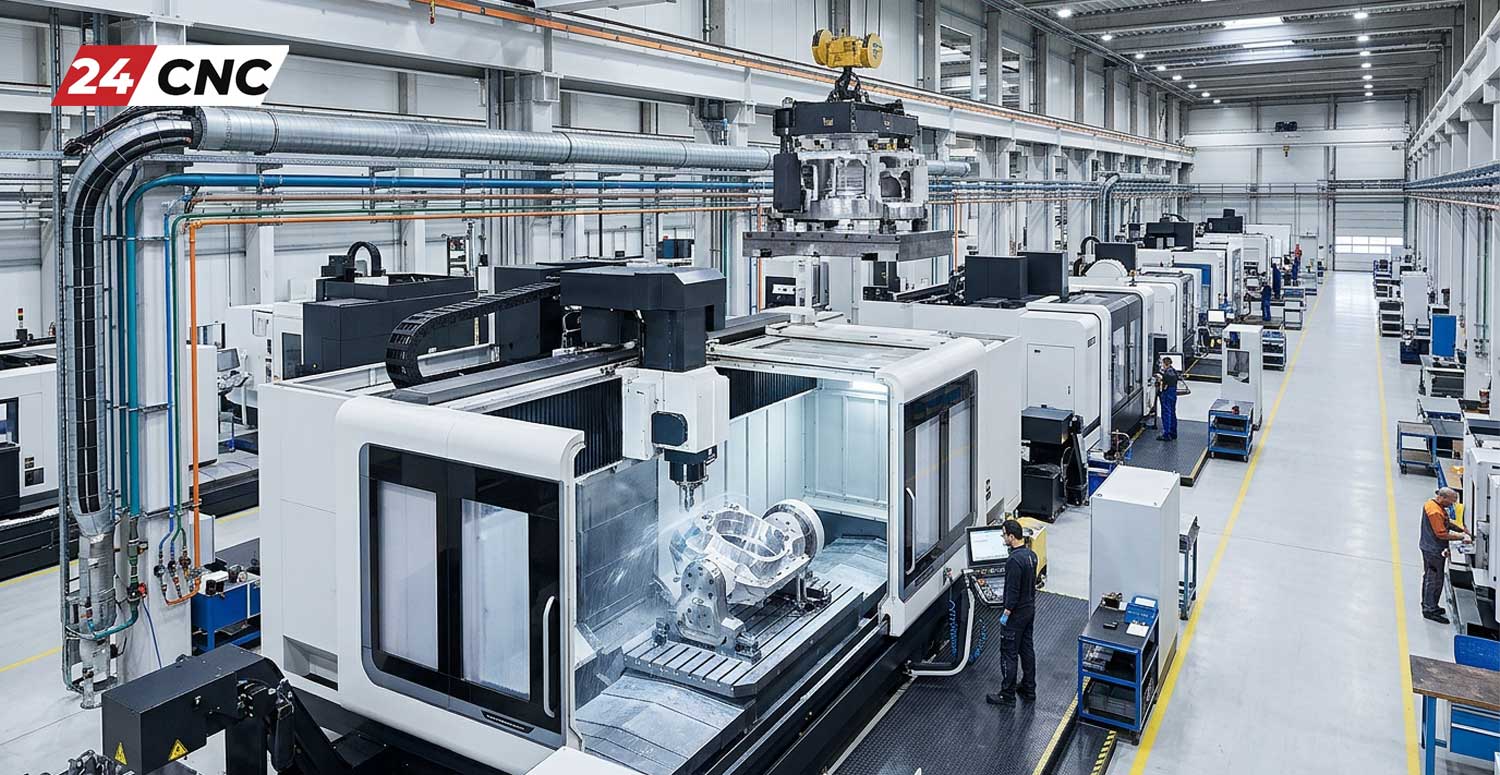
Severely Limited Operator Mobility: If an operator is working on a massive 5-axis gantry mill, a floor-type horizontal boring machine (HBM), or a long-bed CNC lathe, the physical limit of a $3 \text{ meter}$ or $5 \text{ meter}$ stretched coiled cable is a major bottleneck. It simply might not allow the operator to get physically close enough to the spindle to visually verify the cutting action safely.
Wireless MPG Handwheels: The Modern, Ergonomic Solution
As microelectronics and RF (Radio Frequency) communication protocols have advanced, remote wireless handwheels have transitioned from a luxury novelty to a highly viable, deeply integrated solution in modern machine shops. Utilizing robust RF technology—most commonly operating in the universally accepted $433 \text{ MHz}$ or $2.4 \text{ GHz}$ ISM (Industrial, Scientific, and Medical) bands—these modern devices cut the cord entirely.
The Advantages of Wireless MPGs
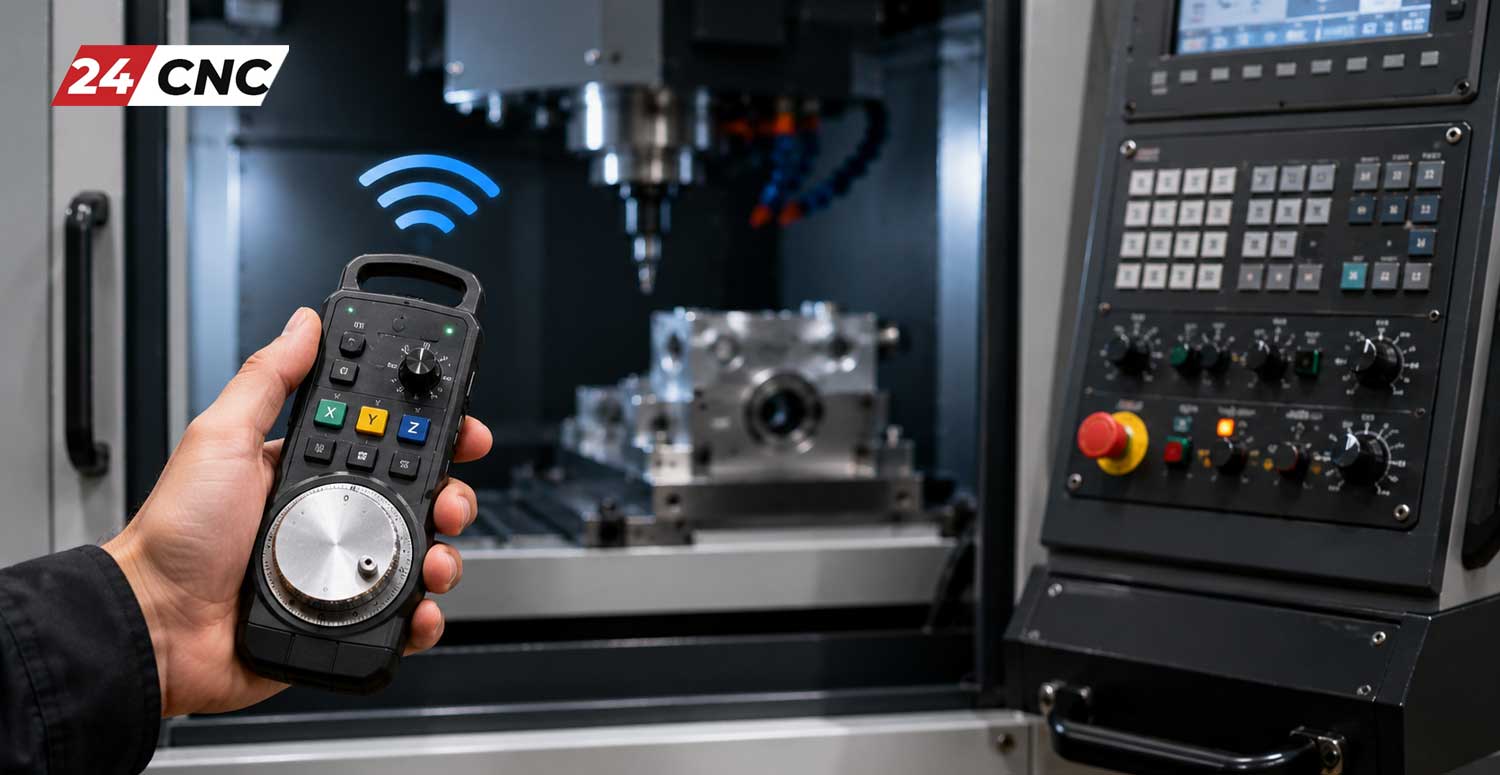
Ultimate Mobility and Ergonomic Freedom: The primary and most transformative benefit is absolute physical freedom. Operators are empowered to walk completely around large-format CNC machines, inspect complex toolpaths from any necessary angle, and perform intricate setups with an unobstructed, close-up view of the cutting zone. A typical industrial-grade wireless MPG can effortlessly maintain a secure, encrypted connection over line-of-sight distances ranging from $15 \text{ m}$ up to $40 \text{ m}$.
Complete Elimination of Cable-Related Hazards: By removing the trailing umbilical cord, there is zero risk of the cable snagging on rapidly moving machine parts, creating tripping hazards for the operator and floor staff, or requiring constant replacement due to the outer jacket degrading from being dragged across a shop floor saturated with way oil and sharp swarf.
Streamlined Workshop Aesthetics and Workflow: Without cables draped across the machine enclosure or control panel, the overall workspace remains cleaner, safer, and highly organized, adhering better to 5S lean manufacturing principles.
The Disadvantages of Wireless MPGs
Theoretical Vulnerability to Signal Interference: While modern wireless MPGs utilize sophisticated FHSS (Frequency Hopping Spread Spectrum) technology—which constantly shifts frequencies hundreds of times per second to avoid interference—they remain theoretical victims of extremely dense EMI environments. In shops saturated with unshielded high-voltage equipment, microscopic latency (measured in milliseconds) or temporary signal drops are statistically possible, though rare with premium units.
Strict Battery Dependency and Management: Wireless MPGs are active electronic devices that require independent power. Operators must implement a strict discipline of docking the pendant or charging the onboard lithium-ion batteries. If the battery dies during a shift, setup stops entirely until it is charged or swapped. While most modern units offer weeks of standby time and rapid USB or magnetic charging, it remains an operational management factor.
Detailed Head-to-Head Technical Comparison
| Technical Specification | Traditional Wired MPG | Modern Wireless MPG |
|---|---|---|
| Operational Range / Mobility | Strictly limited by cable length (usually $3 \text{ m}$ to $5 \text{ m}$) | Exceptional (typically $15 \text{ m}$ to $40 \text{ m}$ line-of-sight) |
| Signal Transmission Latency | Zero (Direct copper connection) | Near-Zero (Usually $< 5 \text{ ms}$, generally imperceptible) |
| Power Delivery Method | Continuous power supplied by CNC Controller ($5\text{V}$ / $12\text{V}$ / $24\text{V}$) | Internal Lithium-Ion or AA Batteries (Requires routine charging) |
| Physical Vulnerability | High risk of cable fraying, severing, or coolant degradation | Unit drop risk, but zero cable-related failure points |
| Interference Immunity (EMI) | Absolute (Assumes proper shielding and grounding) | Very Good (FHSS technology mitigates standard shop noise) |
| Ideal Application Environment | Standard 3-Axis VMCs, Lathes, compact cell manufacturing | Large Gantry Mills, HBMs, 5-Axis machines, overhead cranes |
Integration Considerations: Fanuc, Siemens, and Mitsubishi
When selecting a replacement or upgrading to a new MPG system, verifying controller compatibility is paramount to prevent hardware damage.
Fanuc Control Systems
Fanuc controllers (such as the widely used Series 0i, 31i, and 32i) are highly standardized. They typically require a $5 \text{ V}$ DC power supply and expect a standard 100 PPR A/B quadrature signal. When wiring a traditional MPG or the receiver module for a wireless unit into a Fanuc I/O module, operators must pay strict attention to the line driver outputs ($A$, $\bar{A}$, $B$, $\bar{B}$) to ensure differential signal integrity over longer runs.
Siemens SINUMERIK Systems
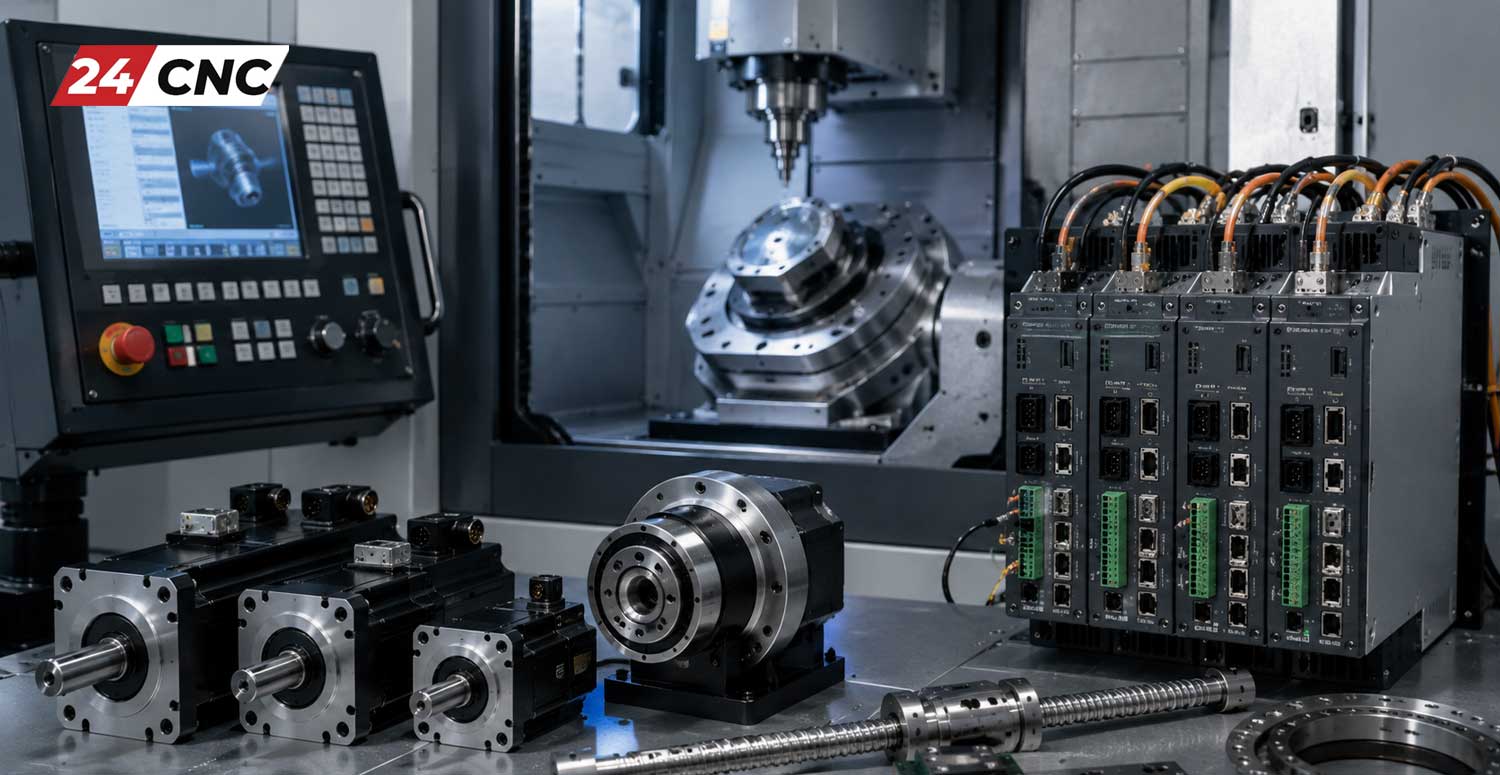
Siemens controllers, such as the SINUMERIK 840D sl or 828D, often provide more flexible integration options, supporting both $5 \text{ V}$ TTL and sometimes $24 \text{ V}$ HTL signals depending on the specific interface module (e.g., standard machine control panels or direct drive interfaces). Wireless receiver integration requires mapping the digital inputs via the PLC programming to link the physical axis selector switches on the remote to the internal axis variables.
Key Factors to Consider When Making Your Choice
Making the definitive choice between wired and wireless depends heavily on evaluating your specific machining environment, daily workflow, and long-term return on investment (ROI). Consider the following critical factors:
1. Machine Footprint and Operator Workflow Dynamics
If your operators are running standard, fully enclosed 3-axis Vertical Machining Centers (VMCs) where they rarely need to step more than a few feet away from the main HMI screen, a wired MPG is highly efficient, cost-effective, and essentially maintenance-free. Conversely, for large-scale aerospace component manufacturing, heavy mold-making, or machining structural steel beams where the operator must physically travel along the bed of the machine, a wireless MPG transitions from a luxury to an absolute necessity, drastically enhancing safety and setup accuracy.
2. Environmental Hazards and Floor Conditions
Carefully examine your shop floor. If your machining processes generate large, sharp, or hot chips (such as heavy steel turning) that frequently land on trailing cables, or if aggressive synthetic coolants degrade rubber and plastics quickly, eliminating the wire entirely with a wireless model will likely save you significant maintenance money in the long run. However, it is vital to ensure that the wireless model you choose possesses an adequate Ingress Protection rating (e.g., IP65 or IP67) to withstand direct coolant splashes and metallic dust penetration.
3. Long-Term Cost and ROI
While a high-quality industrial wireless MPG and its accompanying receiver module generally carry a higher initial purchase price compared to a standard wired pendant, workshop owners must factor in the hidden costs of wired units. Replacing a damaged multi-core PUR coiled cable harness and paying a technician for the rewiring downtime can quickly exceed the premium paid for a wireless system. Additionally, the time saved by an operator performing setups more efficiently on a large machine translates directly into increased spindle uptime.

FAQs about CNC MPG Handwheels
Frequently Asked Questions
Is a wireless MPG compliant with industrial safety standards for Emergency Stops?
Yes, premium industrial-grade wireless MPGs are meticulously designed with redundant fail-safes. The physical Emergency Stop button on the remote transmits an immediate halt signal. Furthermore, a crucial safety feature called a “heartbeat signal” is utilized. If the receiver module wired into the CNC machine’s safety circuit loses connection with the remote for more than a specified threshold (e.g., $200 \text{ ms}$), it will automatically trigger a hard E-Stop condition, failing safely to prevent runaway axes.
Can I reliably use multiple wireless MPGs simultaneously in the same workshop?
Absolutely. Modern wireless handwheels utilize exclusively paired transmitters and receivers combined with Frequency Hopping Spread Spectrum (FHSS) technology. Each remote is cryptographically or digitally bound to its specific receiver, meaning dozens of individual units can operate simultaneously on the same busy shop floor without any risk of crosstalk or one operator accidentally jogging a neighboring machine.
What is the realistic battery life expectations for a wireless handwheel?
Depending heavily on the specific model, screen brightness (if equipped with an LCD), and daily usage frequency, lithium-ion or standard high-capacity AA batteries in a wireless MPG can last anywhere from $30 \text{ days}$ to over $6 \text{ months}$ on a single charge or battery set. Most modern remotes feature aggressive low-power sleep modes to strictly conserve energy when the dial is completely stationary.
What happens if a single wire inside my traditional wired MPG cord breaks?
Because MPG cables utilize multi-core wiring (often 15 to 21 individual micro-wires), a single broken internal wire can cause disastrous intermittent faults. Depending on which wire breaks, you may experience missed pulses, erratic jumping of the axis, failure to switch axes, or constant machine alarms. It is universally recommended by technicians to replace the entire cable harness immediately rather than attempting to cut and splice the delicate internal wiring, which compromises shielding.
Conclusion: Making the Right Investment for Your Shop
Ultimately, choosing between a wireless and wired MPG handwheel comes down to carefully balancing absolute signal reliability against operational mobility and ergonomics. Wired handwheels remain the undisputed, highly economical champions of bulletproof, zero-latency operation in harsh, stationary environments where operator travel is naturally limited by the machine’s small footprint.
However, for forward-thinking shops utilizing large-format machines, multi-pallet systems, or highly complex 5-axis setups where operator mobility translates directly into faster setup times, reduced scrap rates, and better visual verification of toolpaths, wireless MPGs offer a compelling, high-ROI modern upgrade. By evaluating your specific controller, your shop’s physical layout, and your daily operational bottlenecks, you can select the MPG technology that best drives your manufacturing productivity forward.
Upgrade Your CNC Control Interface Today
Whether your shop floor demands the rugged, unyielding dependability of a heavy-duty wired pendant or you are ready to unlock unparalleled setup freedom with a cutting-edge wireless remote, 24CNC possesses the technical expertise and the premium components you need to keep your machines running at peak performance.