
Showing all 18 results

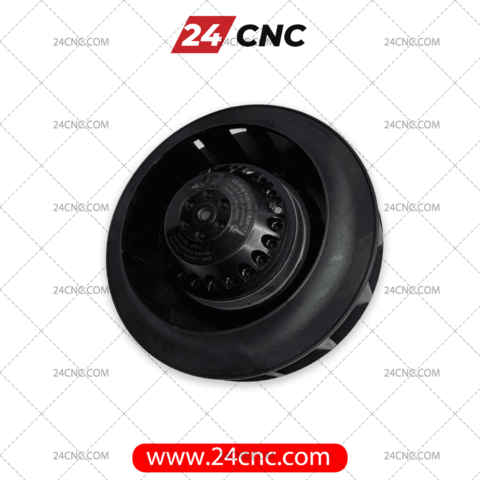
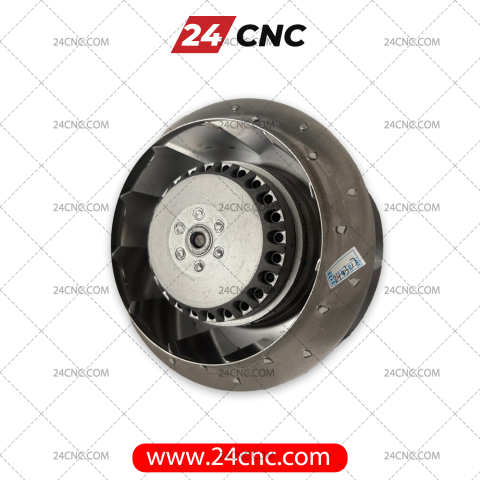
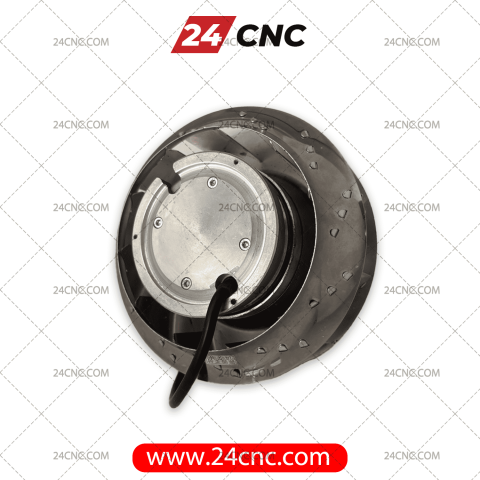
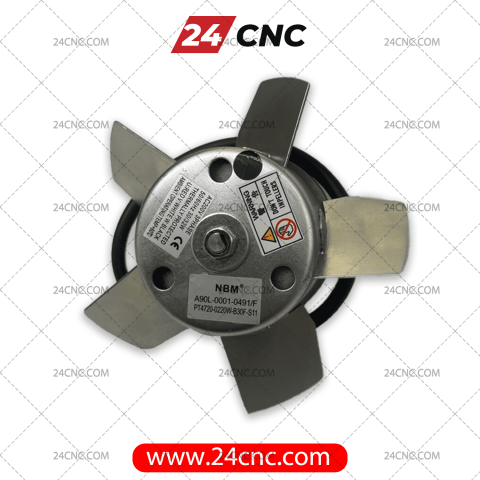
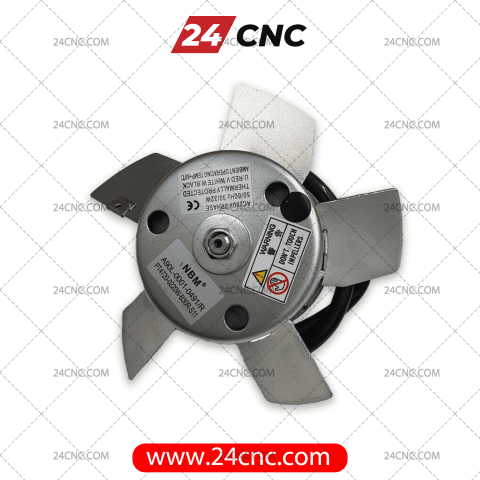
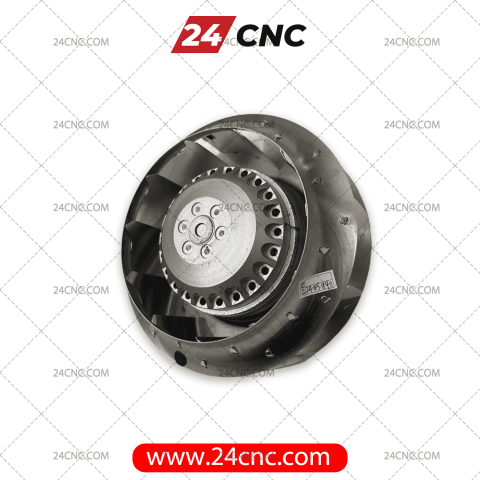
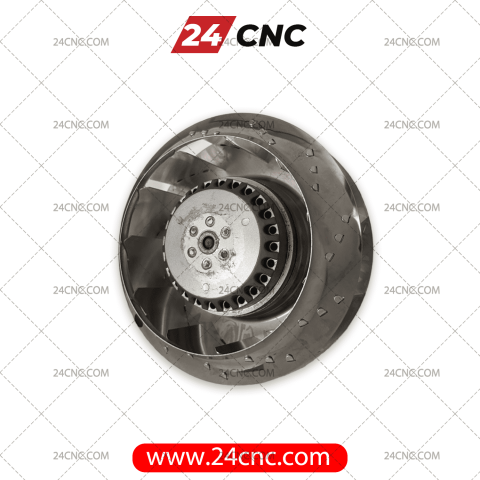
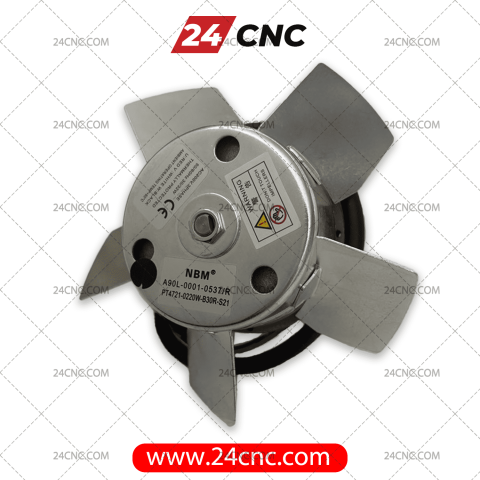
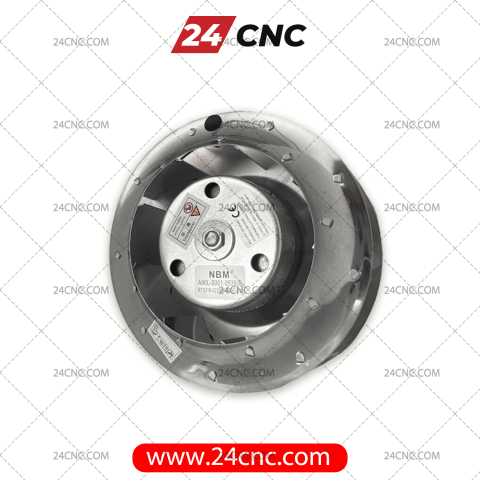
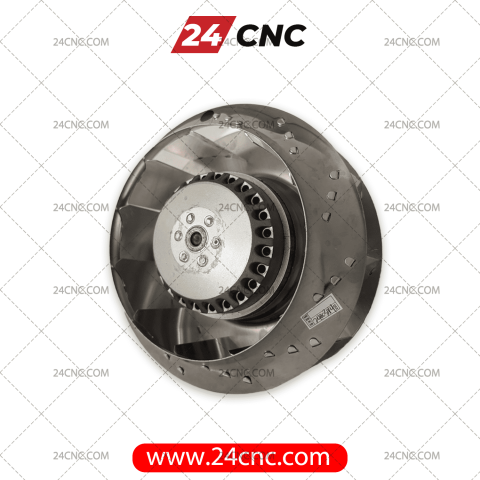
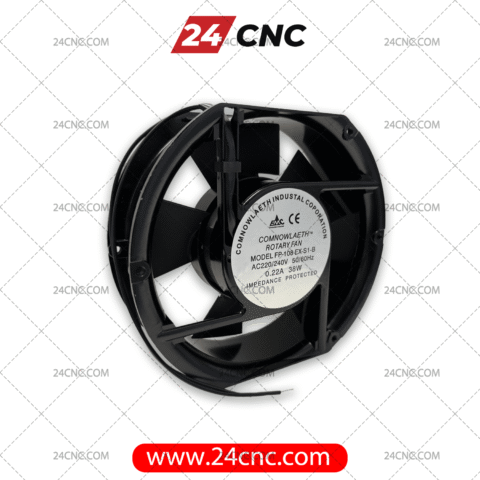


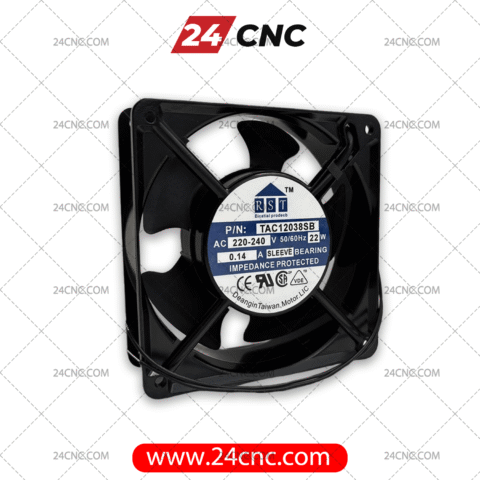
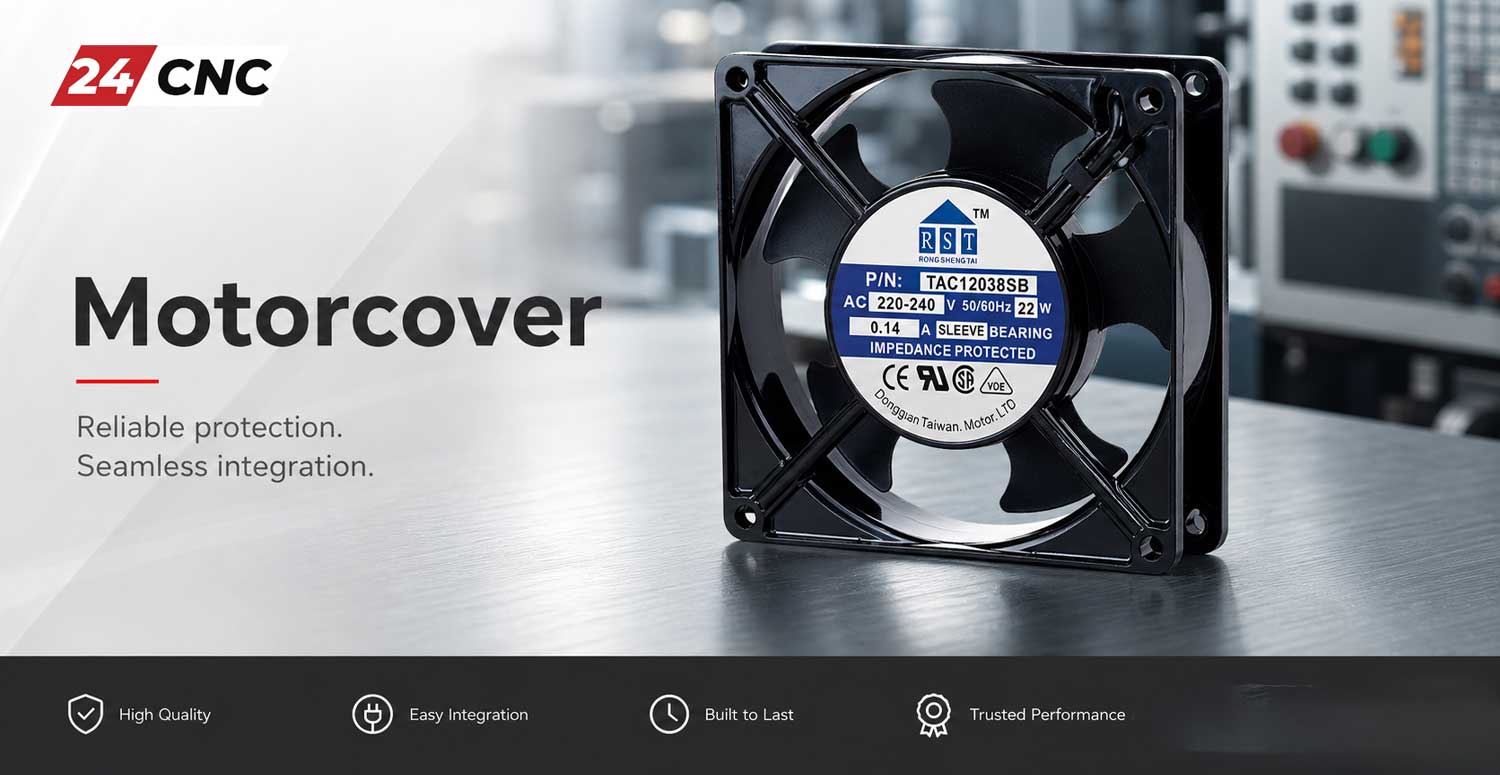
Industrial engineers and shop floor professionals are well aware that in harsh machining environments, CNC servo motors and spindles are relentlessly subjected to flying metal chips, abrasive dust, and aggressive coolant (water-soluble oils) splash. In this ecosystem, the Motor Cover serves as the first line of defense for these high-value components. In fact, a cracked or missing cover does not merely disrupt the operation of the cooling fan; it exposes the critical rotary encoder to severe damage and failure. At 24CNC, leveraging our deep technical expertise, we have curated an unparalleled inventory of genuine OEM frames and covers to ensure your machinery remains shielded from premature wear and tear.
Many technicians and maintenance (MRO) personnel overlook the structural and aerodynamic significance of these shrouds until a catastrophic failure and subsequent machine downtime occur. Therefore, in this technical guide, we will dissect the various dimensions of this vital component through a precise, scientific, and practical lens.

The Engineering Role and Function of Motor Covers in CNC Systems
A motor cover is not merely a plastic or metal barrier. From the perspective of mechanical and fluid engineering, this component shoulders three monumental responsibilities [1]:
- Thermal Management and Fluid Routing: These shrouds are meticulously engineered to direct the air drawn by the fan precisely through the heatsink fins of the servo motor body. Without this directional guide, airflow disperses into the environment, causing a drastic drop in cooling efficiency.
- Protection of the Encoder and Terminals: Optical and magnetic encoders are exceptionally sensitive. The ingress of a single drop of oil or coolant can lead to feedback errors and ultimately a costly axis crash. The cover provides the essential mechanical seal.
- Operator Safety: Industrial fan impellers rotate at exceedingly high RPMs. A sturdy frame prevents accidental contact between the spinning blades and the operator’s hands or clothing [2].
Thermodynamic and Fluid Dynamics Analysis (A Scientific Overview)
To fully grasp the function of this part, we must turn to fluid mechanics. The volumetric flow rate of the passing air, denoted as Q, is a function of the air velocity v and the cross-sectional flow area A:
When a motor cover fractures, the cross-sectional area A escapes controlled parameters, allowing air to leak through unintended paths. Consequently, the velocity of air passing over the heatsink drops, crippling the motor’s heat dissipation capacity. The resulting temperature rise (\Delta T) in the motor can be approximated using the following thermodynamic equation [3]:
Where P_{loss} is the power lost by the motor as heat, \dot{m} is the mass flow rate of the air, and C_p is the specific heat capacity of air. Therefore, any reduction in mass flow rate due to a damaged shroud will directly lead to elevated winding temperatures and the accelerated degradation of power cables.
Classification and Material Science of Motor Covers
Machine tool manufacturers utilize a variety of materials for these enclosures, depending on the application and environmental conditions. In the aftermarket, we generally encounter three primary categories:
| Cover Material Type | Common Industrial Application | Pros & Cons (Mechanical Properties) | Notable Brands |
|---|---|---|---|
| Industrial Polymers (Plastics) | Light to Medium Duty Axis Motors | Lightweight, relative chemical resistance, but susceptible to cracking under severe physical impact. | Fanuc, Yaskawa |
| Die-Cast Aluminum Alloy | Spindle Motors & High-Power Drives | Exceptional strength, aids in heat dissipation (acts as an extended heatsink), superb impact resistance. | Siemens, Fanuc Spindle |
| Stamped Steel Sheet | Legacy Machines & Specific Drives | High mechanical durability, but prone to rust in the presence of water-soluble coolants if the paint chips. | Mitsubishi, Delta |

Buyer’s Guide: How to Select the Correct Cover?
Given that flange dimensions, mounting hole patterns, and motor body diameters vary drastically even within a single brand, selecting a replacement shroud requires meticulous attention to the Part Number. Follow these steps for a secure purchase:
Step 1: Identify the Motor Brand and Manufacturer
First, determine the ecosystem of your drive system. Are you dealing with Fanuc products, Siemens, or Mitsubishi? Each manufacturer enforces proprietary standards in their shroud designs.
Step 2: Extract the Part Number from the Motor Nameplate
For instance, in Fanuc motors, a cover for an Alpha Series motor differs entirely from a Beta Series cover. Locate the yellow or silver nameplate on the motor body and note down a code similar to A06B-0141-B075. This code is our master key to finding the exact matching cover in the 24CNC warehouse.
Step 3: Verify the Socket Routing Angle
Examine the exit points for the engine-side sockets and connectors. Some covers feature a straight cutout, while others have a 90-degree exit designed for tight machine envelopes.
Technical and Financial Repercussions of Neglecting Cover Replacement
It is a recurring sight in industrial workshops to find a motor cover shattered after a crash or during routine maintenance, hastily patched up by an operator using glue or wire! This practice is highly discouraged in engineering protocols. Failing to promptly replace this relatively inexpensive part can result in burnt motor windings or the destruction of the connected amplifier and inverter, incurring financial damages tens of times greater than the cost of an OEM cover.
Why is 24CNC Your Trusted Authority?
Purchasing from 24CNC is not just acquiring a part; it is leveraging full-scale engineering consultancy. We pride ourselves on:
- ✓ Technical Fitment Guarantee: Before shipping, our experts cross-reference your Part Number with OEM databases to ensure 100% fitment.
- ✓ Sourcing Rare Parts: Even for legacy machinery decades out of production, we source replacement covers from our global network.
- ✓ Rapid Nationwide Shipping: Because we understand the exorbitant cost of machine downtime, our logistics ensure the part reaches you in the shortest possible time.
Frequently Asked Questions (FAQ)
Does buying a motor cover include the internal cooling fan?
No. As a rule, the housing (cover) and the fan possess distinct Part Numbers. Internal fans (such as NMB-MAT or Sanyo Denki) must be procured separately, though we can supply fully assembled kits upon request.
The motor nameplate is scratched and illegible. How do I find the right cover?
If the plate cannot be read, simply take clear photographs of the motor body, flange dimensions, and encoder placement, and send them to our technical support unit. Our engineers will identify the correct part based on the form factor and dimensions.
What is the difference between plastic and metal covers on Fanuc motors?
Fanuc employs high-density polymers in newer, lighter-duty series to reduce weight and cost. However, for spindle motors and heavy-duty axis motors that require superior heat dissipation and physical endurance, they utilize die-cast aluminum.
Need a Quote for Your CNC Motor Cover?
Do not leave your expensive encoders and motor windings defenseless against chips and coolant. Send your motor’s Part Number to the 24CNC technical sales team today to check inventory and pricing for genuine replacement covers.