
Showing all 12 results
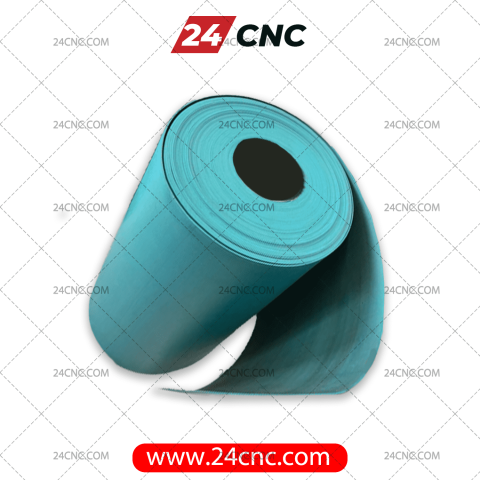
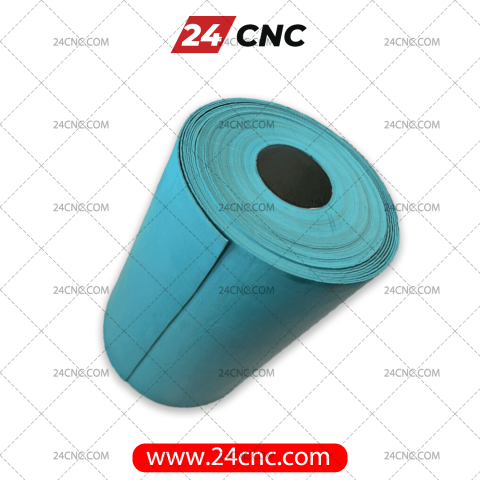


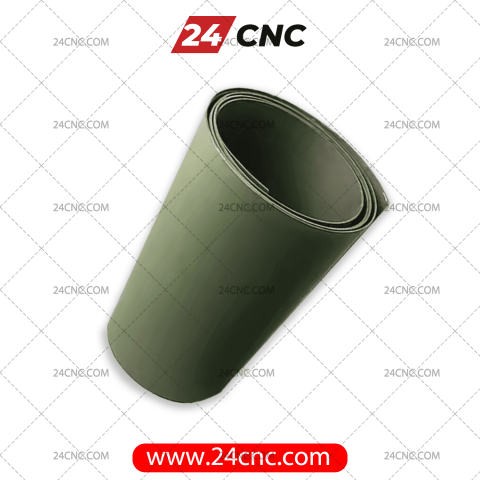
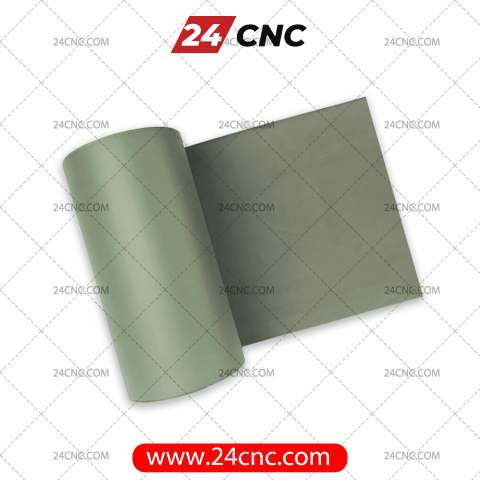

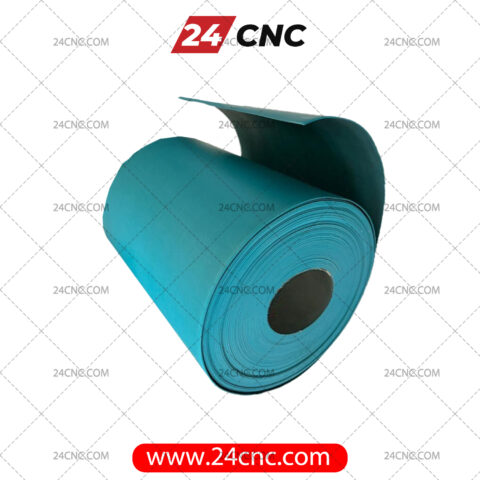
When a CNC machine loses its positioning accuracy, chatters during heavy cuts, or suffers from severe “stick-slip” at low feed rates, the culprit is often worn or degraded guideway material. For decades, machine tool rebuilders and OEMs have relied on one industry-standard solution to provide low-friction, high-precision linear motion: Turcite.
At 24cnc.com, we supply premium, genuine Turcite (often referred to as Turcite B or Slydway) designed specifically for rebuilding and maintaining machine tool ways. Whether you are overhauling a heavy-duty boring mill, restoring a vertical machining center, or servicing a high-precision CNC lathe, installing authentic replacement CNC Turcite is the only way to guarantee factory-level tolerances and extend the life of your expensive cast-iron bed ways.
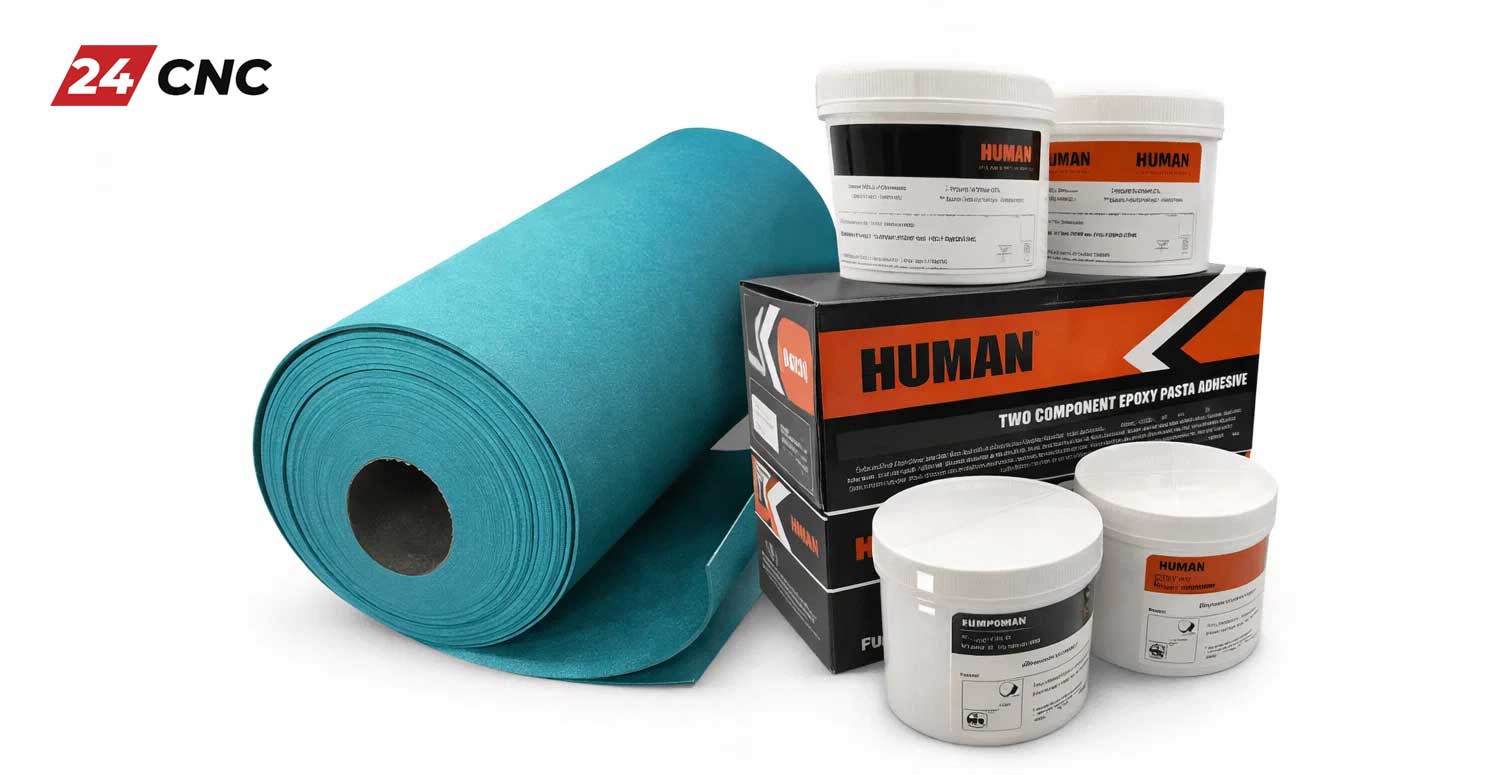
What is Turcite and Why is it Critical for CNC Machines?
Turcite is a specialized, proprietary polytetrafluoroethylene (PTFE) based fluoropolymer resin blended with bronze and other friction-reducing additives. It is bonded to the underside of the moving machine components (such as the saddle, table, or ram) that slide along the stationary cast-iron or hardened steel bed ways.
The primary engineering purpose of Turcite is to prevent metal-to-metal contact, which leads to galling, rapid wear, and catastrophic machine failure. Specifically, Turcite offers a remarkably low static-to-dynamic friction ratio (where the friction coefficient is typically around $\mu = 0.04$ to $\mu = 0.08$ depending on lubrication). This mathematical property is what prevents the stick-slip phenomenon (stiction)—allowing your axes to execute micro-movements (as small as $0.001$ mm) flawlessly without jerking.
Symptoms of Worn or Failed Guideway Turcite
- High Servo Load and Following Errors: When Turcite wears down or loses its oil-retaining scraping marks, friction increases exponentially. Your servo motors and servo amplifiers have to work much harder to move the axis, often triggering overload alarms or following error faults on your controller.
- Loss of Geometry and Tapering: As the material degrades unevenly, the machine table drops or tilts. This results in tapered cuts, out-of-round circles, and an inability to hold tight tolerances.
- Inaccurate Feedback: Increased backlash and physical slop in the guideways will cause discrepancies between the commanded position and the actual position read by your rotary encoders or linear glass scales.
- Metal Dust in Way Lube: If the Turcite has completely worn through, you will experience cast-iron on cast-iron contact, generating metal shavings and destroying the machine bed.
How to Select the Right Turcite for Your CNC Rebuild
Purchasing Turcite is not a one-size-fits-all process. Engineers and maintenance technicians must carefully select the right dimensions and ensure proper installation techniques are followed.
- Determine the Correct Thickness: Turcite is sold in various thicknesses, typically ranging from $0.8$ mm ($0.031$ inches) up to $3.2$ mm ($0.125$ inches) or more. When rebuilding a machine, you must account for the amount of material removed from the cast iron during the re-grinding process. You must buy Turcite slightly thicker than your final target dimension to allow for hand-scraping and flaking to achieve perfect bearing alignment and oil retention.
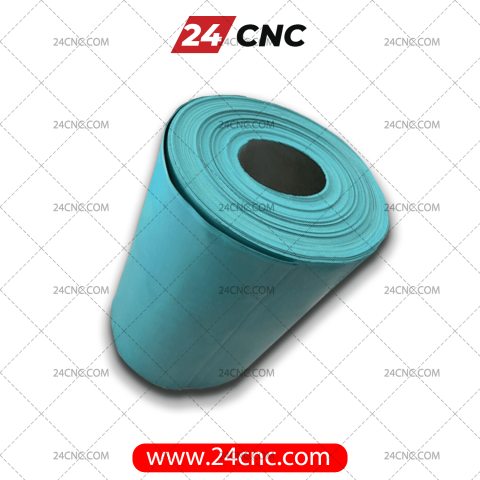
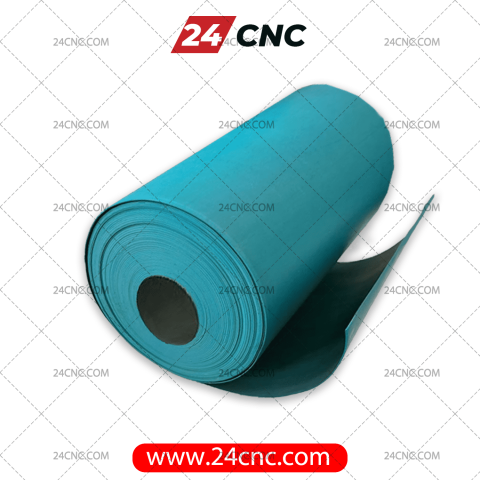
- Calculate Width and Length: Measure the width of your machine ways. We supply Turcite in continuous rolls of various standard widths (e.g., 12″, 24″) allowing you to cut the exact strips required for your specific carriage or saddle.
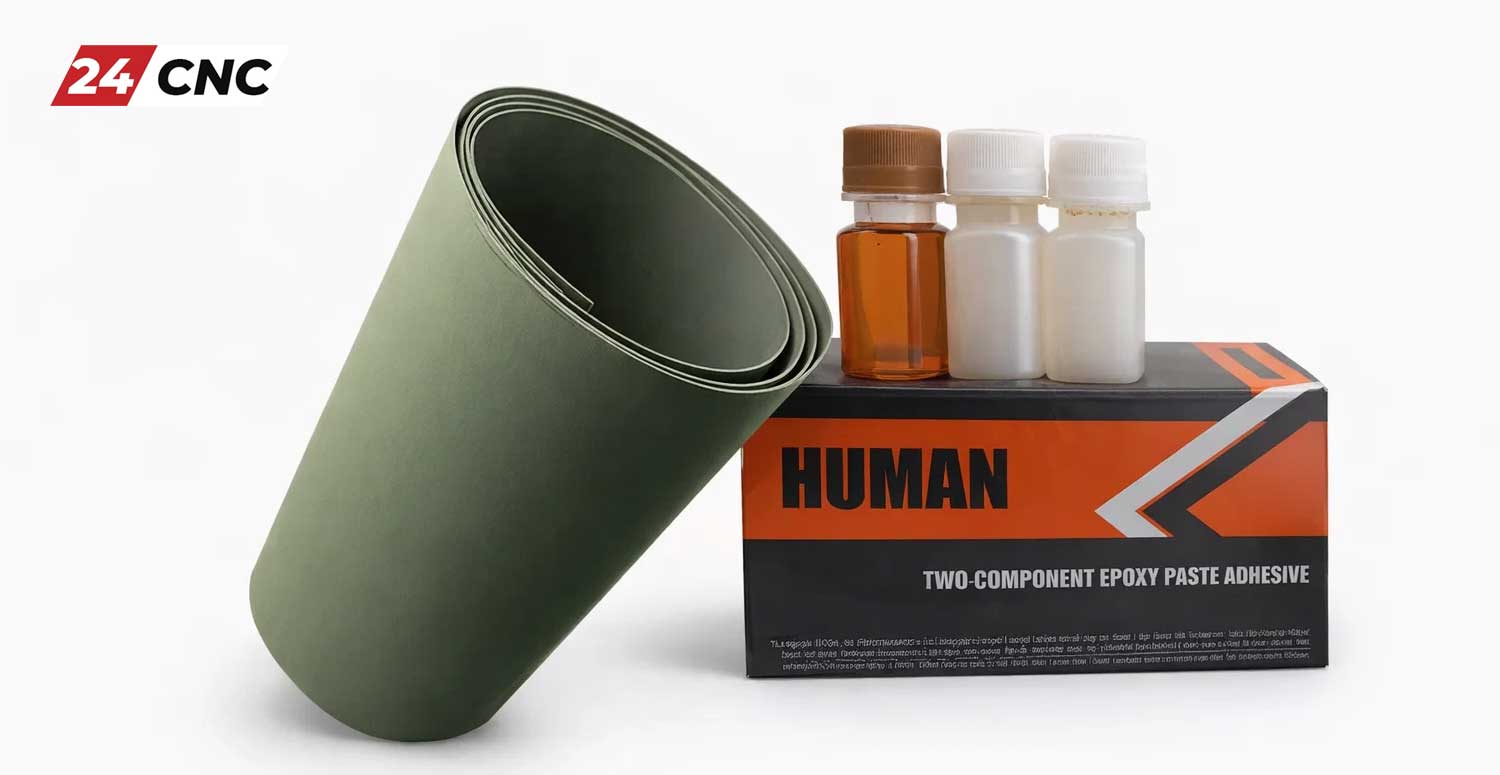
- Ensure it is Chemically Etched: Standard PTFE is famously non-stick. Genuine Turcite guideway material features one side that has been chemically etched (usually appearing darker brown or greenish-brown). This etched side is critical; it is the only surface that will properly bond to the machine casting when using structural CNC guideway glue.
Technical Comparison: Turcite vs. Traditional Materials
Why not use brass, bronze, or standard plastics? The table below highlights the engineering superiority of Turcite B for machine tool applications.
| Specification | Turcite B (Slydway) | Cast Iron / Steel | Standard PTFE |
|---|---|---|---|
| Dynamic Friction Coefficient ($\mu$) | $0.04$ – $0.08$ (Excellent) | $0.15$ – $0.20$ (High) | $0.02$ – $0.05$ (Good) |
| Stick-Slip Resistance | Exceptional (No stick-slip) | Poor at low speeds | Good, but deforms under load |
| Compressive Strength / Load Capacity | High (Bronze infused) | Very High | Very Low (Cold flows) |
| Vibration Damping | High (Reduces Chatter) | Low | Moderate |
Installation Best Practices for CNC Turcite
Purchasing high-quality Turcite is only half the equation; proper installation is vital for a successful machine rebuild. The process requires a clean environment and specialized skills.
- Surface Preparation: The cast iron surface receiving the Turcite must be perfectly clean, degreased, and preferably sandblasted or roughened to provide a mechanical key for the epoxy.
- Adhesive Application: Only use dedicated, industrial-grade two-part epoxy glue designed for bonding etched fluoropolymers to metal. Apply it evenly using a notched trowel to prevent trapped air bubbles.
- Clamping and Curing: Apply even pressure (using weights or clamping fixtures) across the entire surface of the Turcite while the epoxy cures. Follow the adhesive manufacturer’s temperature and time guidelines strictly.
- Machining and Hand Scraping: Once cured, the oil grooves must be milled into the Turcite. Finally, a master machine rebuilder must hand-scrape the Turcite surface to achieve precise geometric alignment with the bed ways and to create micro-pockets that retain way lube oil.
Why Buy Turcite from 24cnc.com?
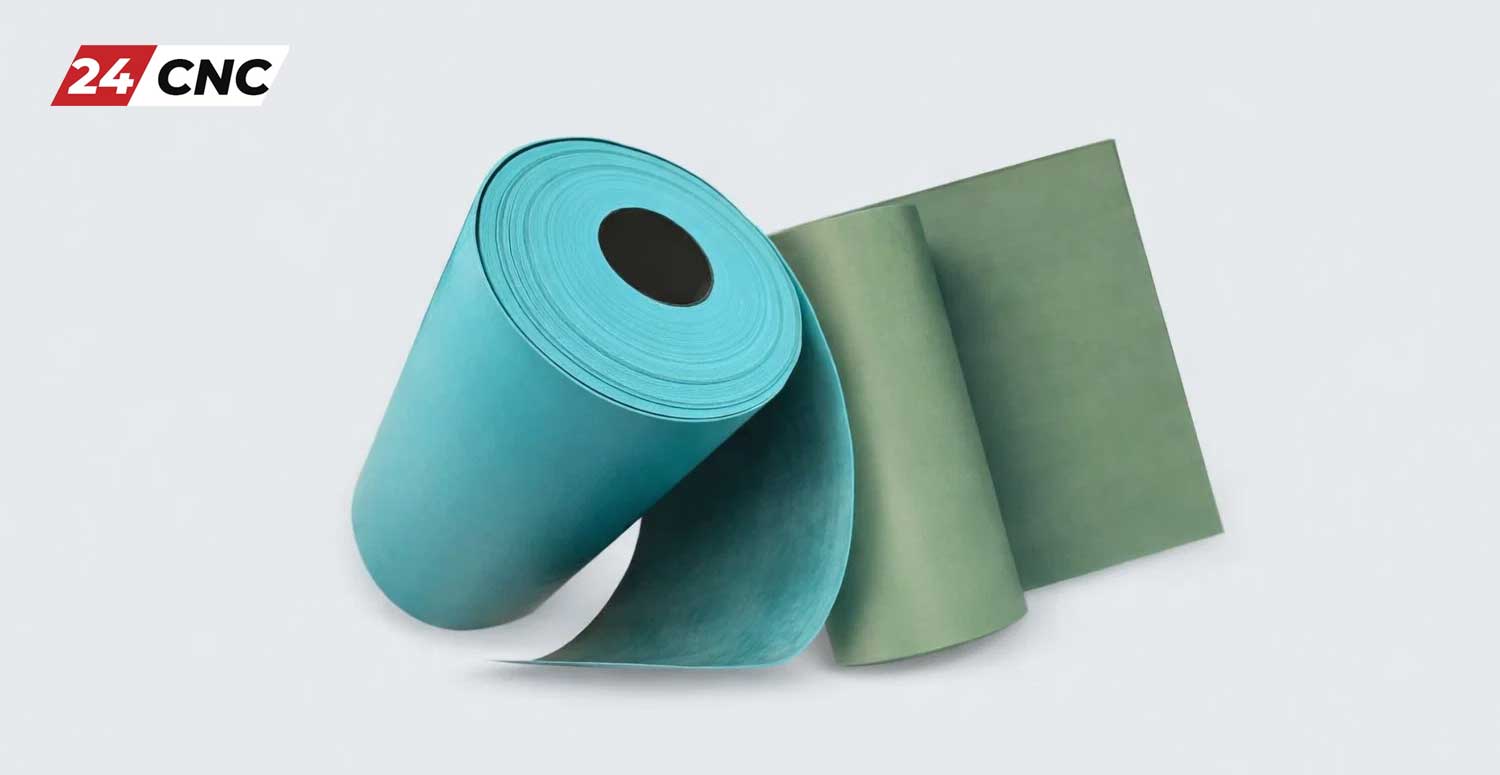
As a dedicated authority in CNC spare parts and industrial automation, 24cnc.com understands the critical nature of machine tool overhauls. We don’t just sell components; we provide the exact materials used by OEM manufacturers.
- 100% Genuine Material: We source authentic Turcite, ensuring you receive the correct bronze-filled PTFE formulation with a properly etched backing for maximum adhesion.
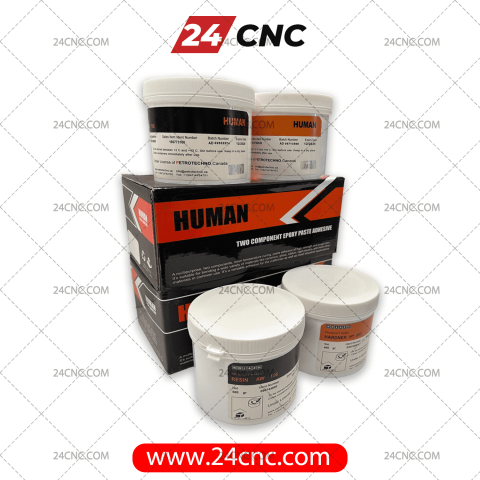
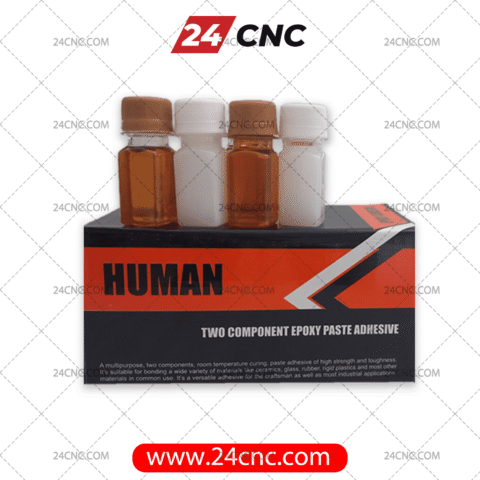
- Comprehensive Rebuild Supplies: Alongside Turcite, we stock the specialized glues and epoxies required for installation, as well as a massive inventory of other CNC accessories to complete your maintenance project.
- Fast Global Shipping: Machine downtime costs thousands of dollars a day. We expedite shipping worldwide to get your maintenance department the materials they need, exactly when they need them.
- Expert Technical Support: Not sure what thickness you need? Our team of seasoned CNC professionals is available to assist you in selecting the right product for your specific machine model.
Frequently Asked Questions (FAQ)
Which side of the Turcite do I apply the glue to?
You must apply the epoxy adhesive to the chemically etched side. This side is typically darker in color (brown or dark green). If you attempt to glue the smooth, un-etched side, the Turcite will delaminate and peel off immediately under load.
Can I use standard hardware store epoxy to attach Turcite?
No. Standard consumer epoxies do not have the shear strength or the chemical resistance to withstand constant exposure to synthetic way lubricants and aggressive water-soluble CNC coolants. Always use specialized way-liner glue designed specifically for PTFE bonding.
Do I have to hand-scrape Turcite after installing it?
Yes. While you can mill Turcite to rough dimensions, hand scraping is required for two reasons: 1) To correct the final geometry and align the axis perfectly parallel to the bed, and 2) To create low spots (flaking) that act as microscopic oil reservoirs to maintain hydrodynamic lubrication.
Restore Your Machine’s Precision Today
Don’t let worn guideways compromise your part quality and destroy your tooling. Browse our extensive stock of premium Turcite thicknesses and specialized bonding adhesives. Ensure your next rebuild lasts for decades.